
01
Step 1 of 5
You call and tell us what happened
Where the water is, when you found it, whether it is still running, and whether the house is lived in or empty.
What you getAddressWhere the water isIs it still running?
Sun City, Arizona
Sun City Restoration handles water extraction, structural drying, mold and winter pipe damage for Sun City homes and for fifteen cities around it. We know the older plumbing, the caliche ground and the seasonal houses that sit empty for months.
When a pipe lets go in a Sun City house, the puddle you can see is usually a fraction of the water that moved. It runs under baseboards, soaks into the bottom of the drywall, follows the slab and works its way into the next room. By the time the carpet feels damp underfoot, the wall cavity behind it has been wet for hours or days.
That is why we start with the building, not the puddle. We find where the water came from, trace how far it travelled, take moisture readings in the materials that hold water, and only then decide what to pull out, what to dry in place and what to clean. A house that is dried to the right readings can often keep most of its flooring and drywall. A house that only had the standing water mopped up tends to come back with swollen baseboards, a musty smell and, a few weeks later, mold.
We are a restoration company, not a plumbing company. We stop the damage, remove the water, dry the structure and document everything. When a line has to be repaired, we work alongside the plumber so the drying plan and the repair do not fight each other. If you want the full list of what we do, it is below.
Fifteen services, from the first extraction to the final sanitizing. Each one has its own page that explains the work in plain language, so you know what to expect before anyone arrives.
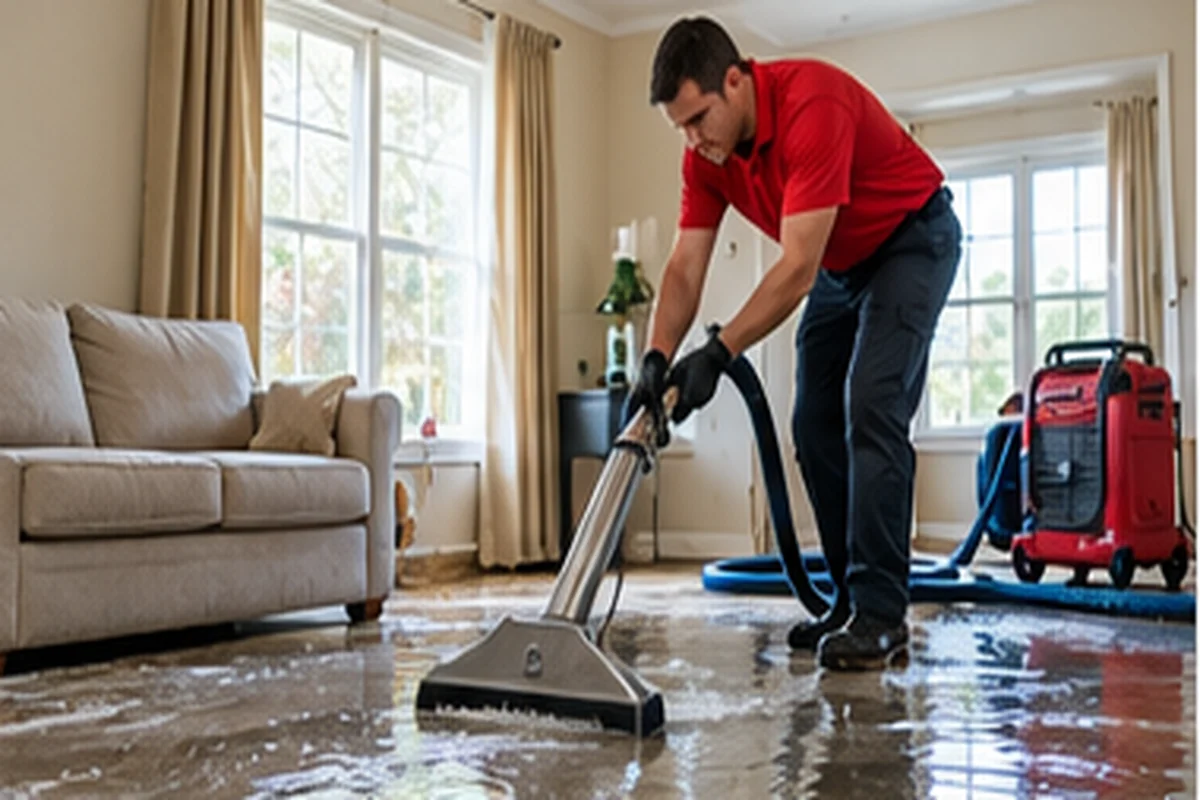 Emergency Water ExtractionPumping and vacuuming standing water out of floors, carpet and low areas before it spreads.Learn more
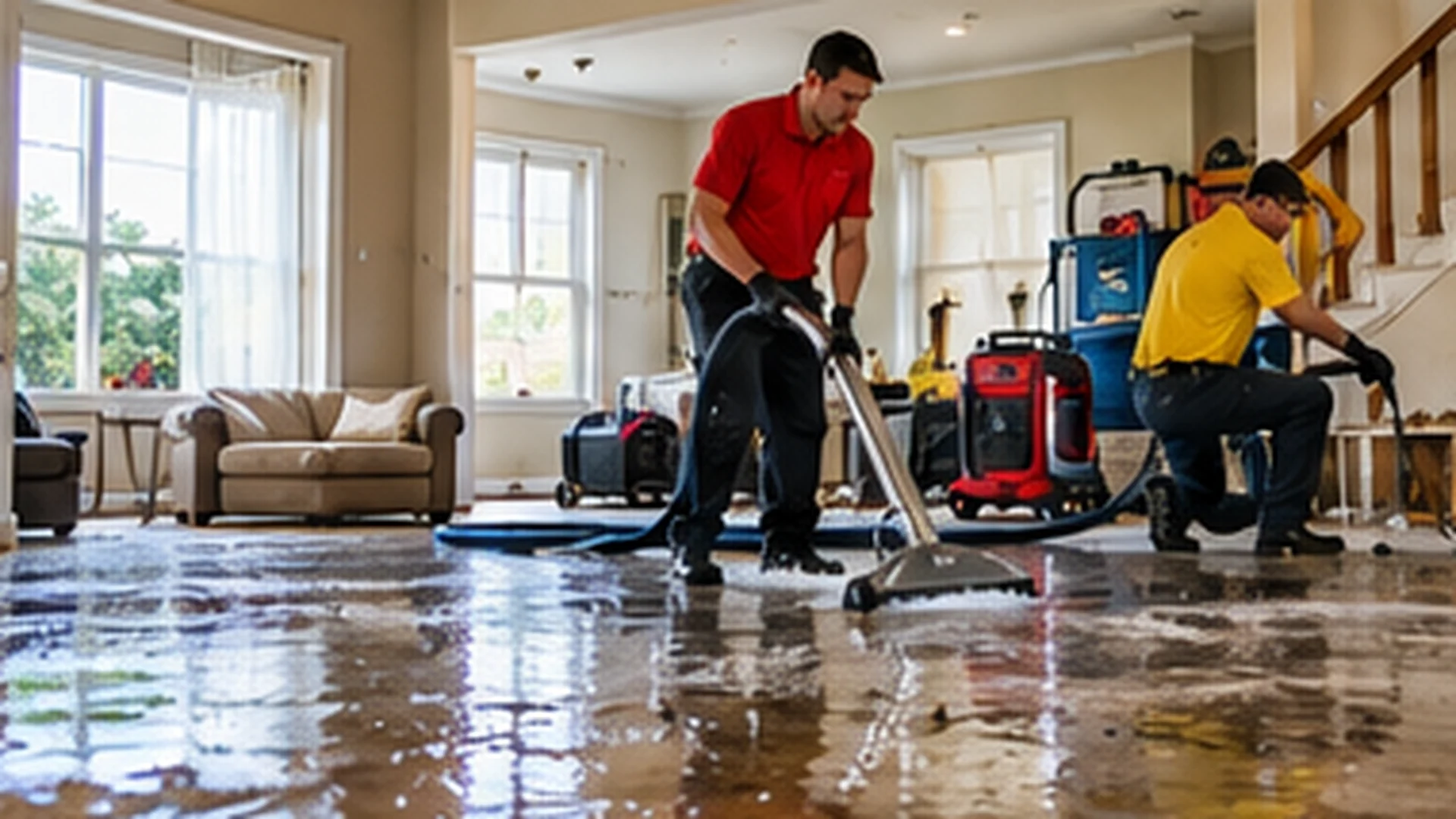 Structural Drying & DehumidificationAir movers and dehumidifiers that pull moisture out of walls, floors and framing, with readings to prove it.Learn more
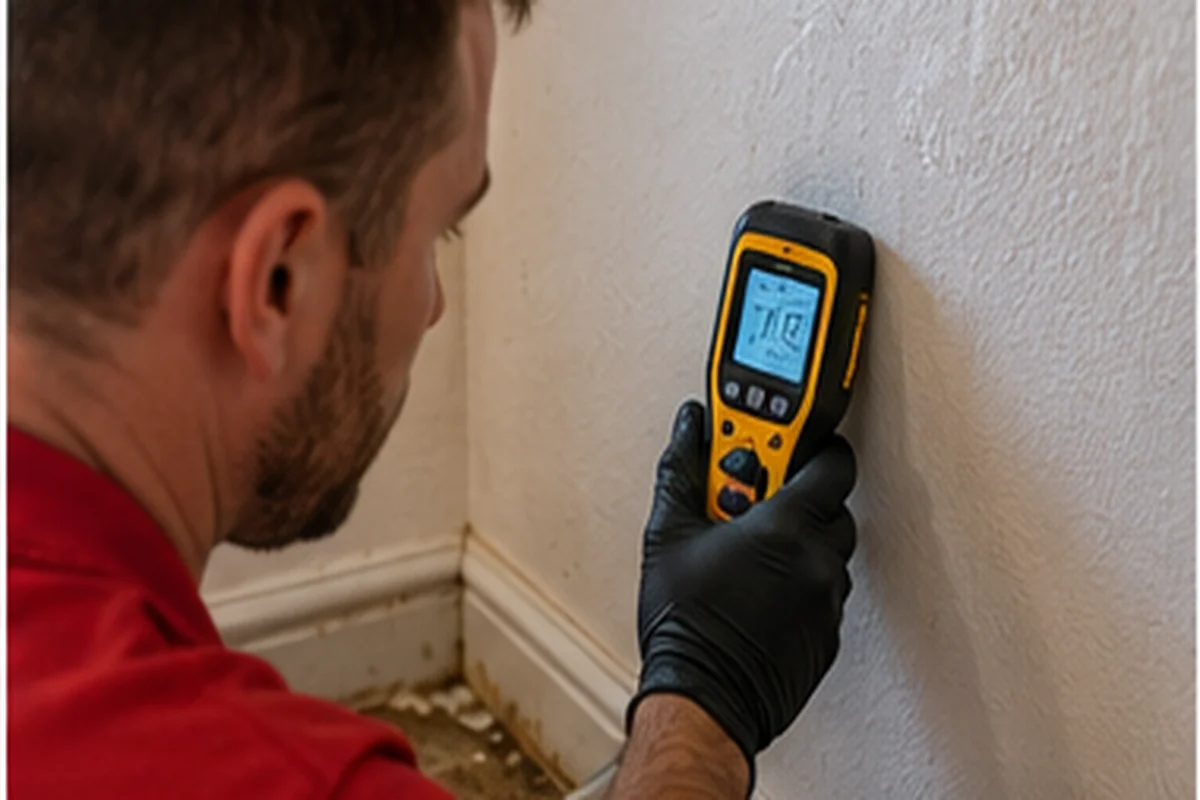 Thermal Imaging & Moisture MappingInfrared and meter readings that locate hidden water in walls, ceilings and floors without tearing them open.Learn more
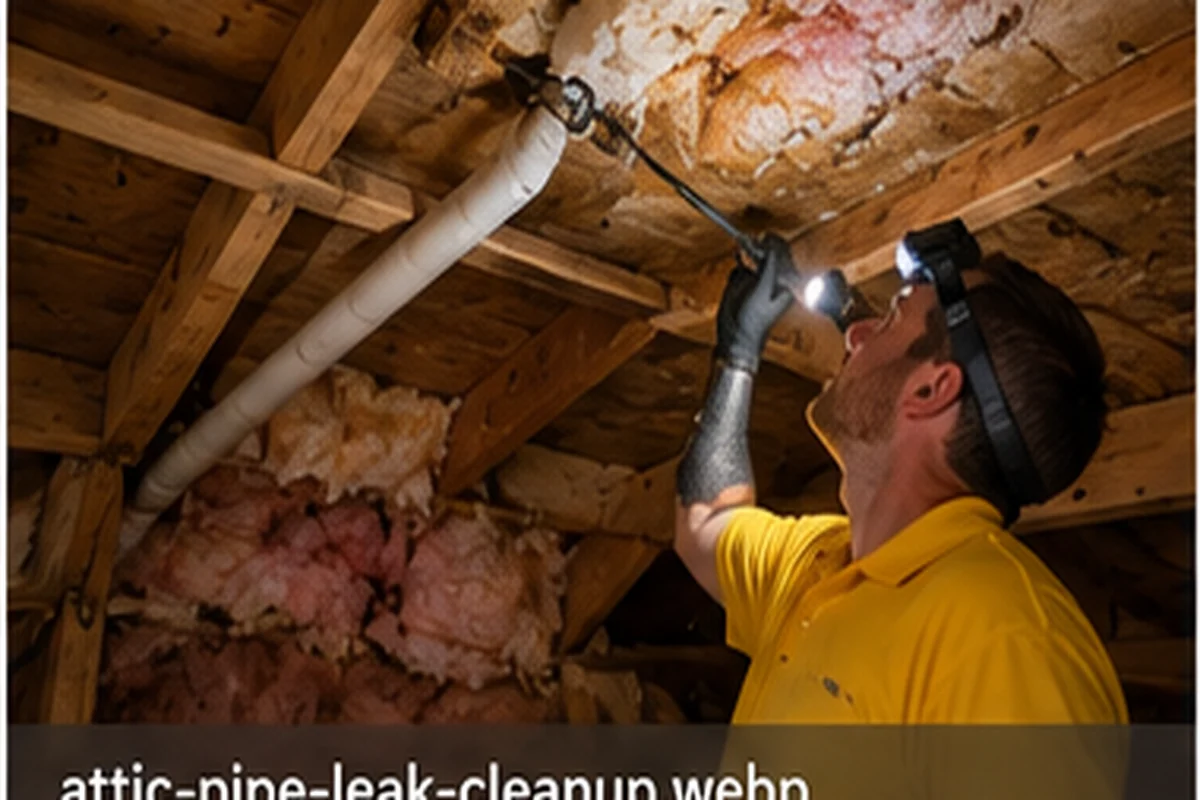 Burst Pipe Cleanup & Emergency ProtectionWater control, protection and cleanup after a pipe splits, with the plumber's repair kept separate.Learn more
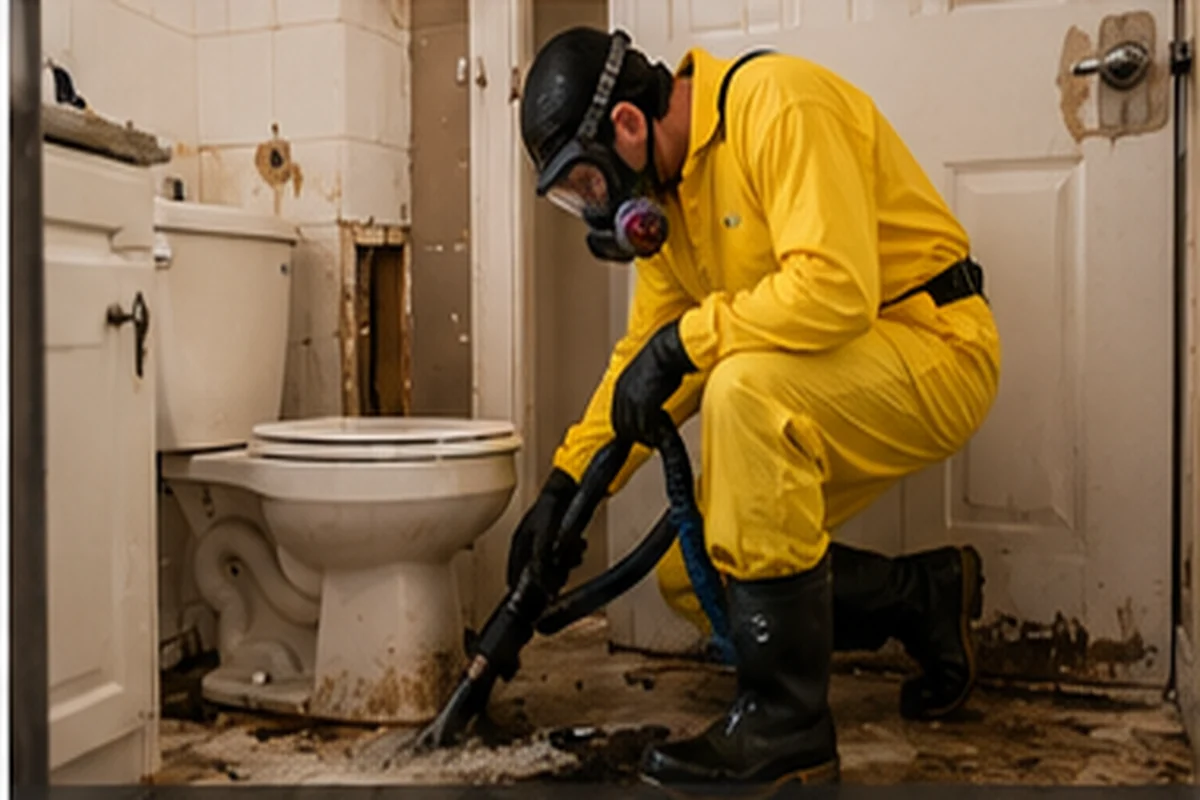 Sewage Backup Cleanup & SanitizationSafe removal and sanitizing after a sewer line or drain backs up into the home.Learn more
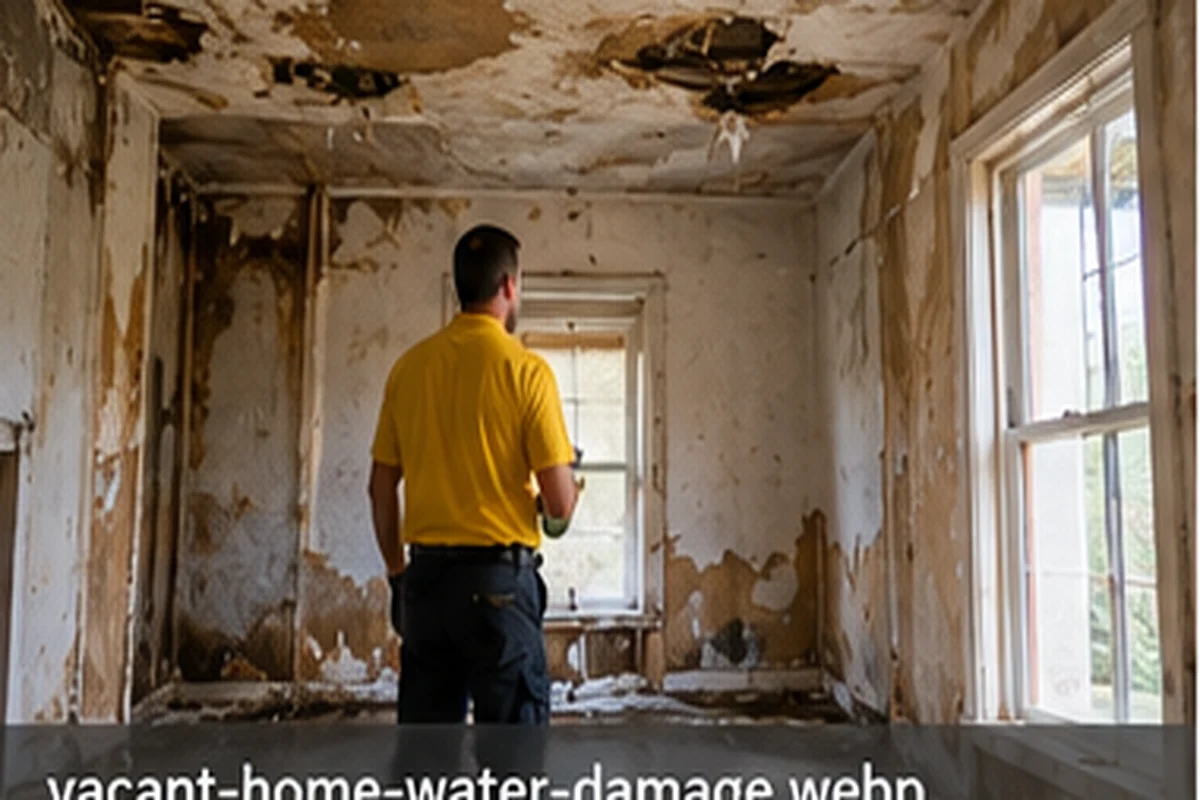 Vacant & Snowbird Home Leak RemediationLong-running hidden leaks in seasonal or empty homes: assessment, drying, mold control and remote coordination.Learn moreFrozen & Burst Pipe RestorationDrying and cleanup after exposed lines freeze, split and flood an attic, wall or garage.Learn more
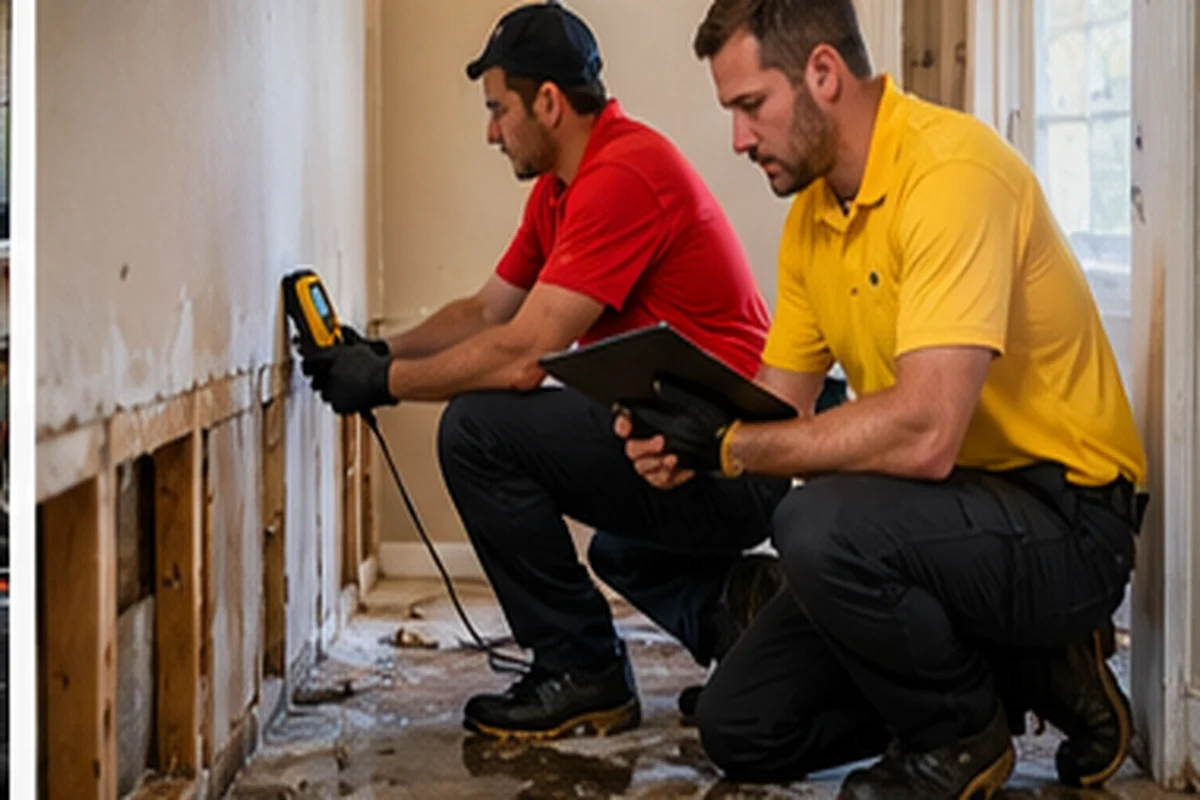 Slab Leak Water Damage CleanupDrying and cleanup for water that came up through the foundation from a leaking line under the slab.Learn more
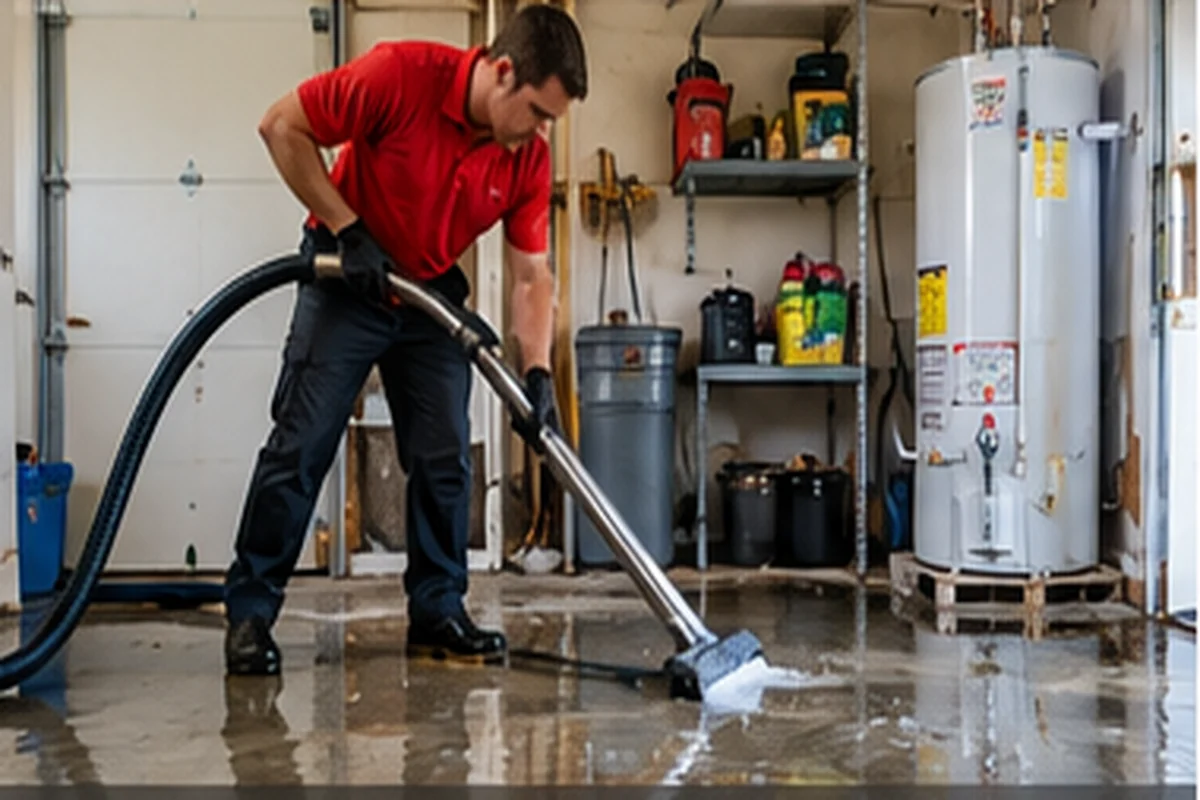 Water Heater Flood CleanupExtraction, drying and sanitizing after a water heater leaks or ruptures in a garage or utility room.Learn moreMold Inspection & AssessmentFinding out whether there is mold, how far it goes and what moisture is feeding it.Learn moreMold Remediation & ContainmentContainment, negative air and HEPA filtration to remove mold-damaged material without spreading spores.Learn more
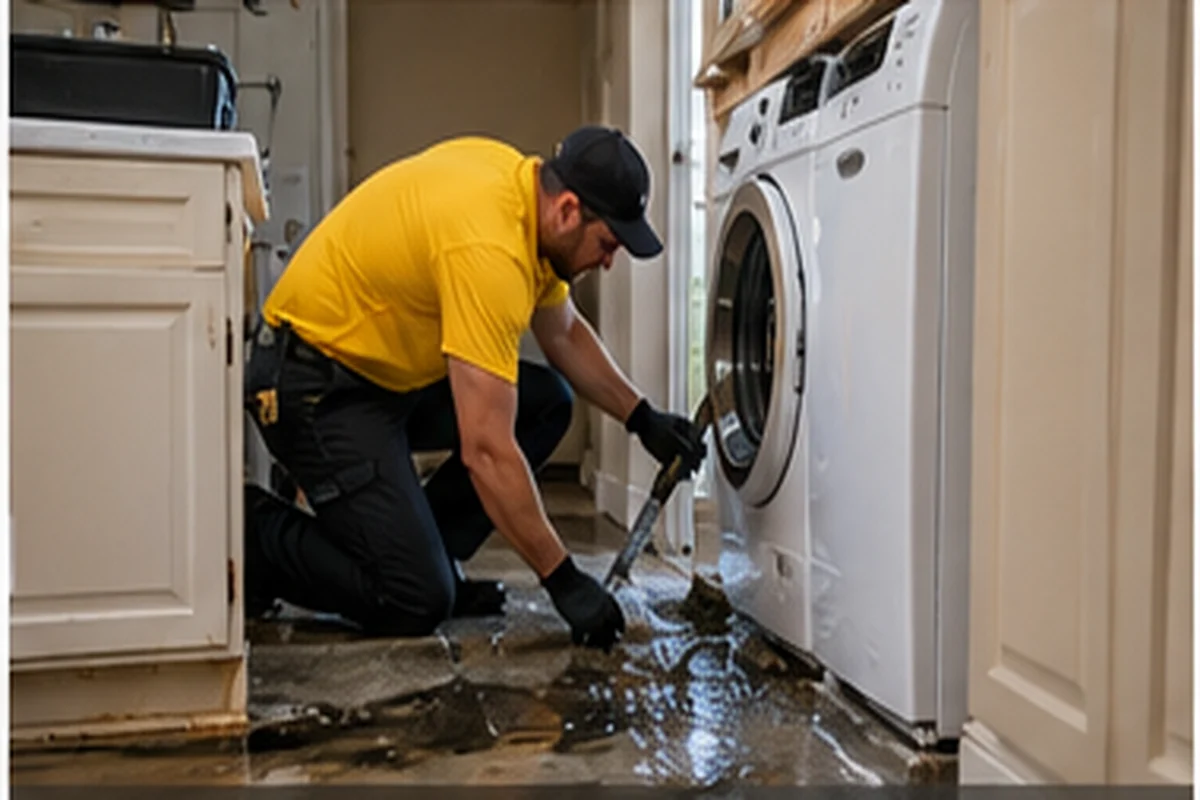 Anti-Microbial & Odor SanitizationCleaning, antimicrobial treatment and odor control for homes after water damage, sewage or mold.Learn more
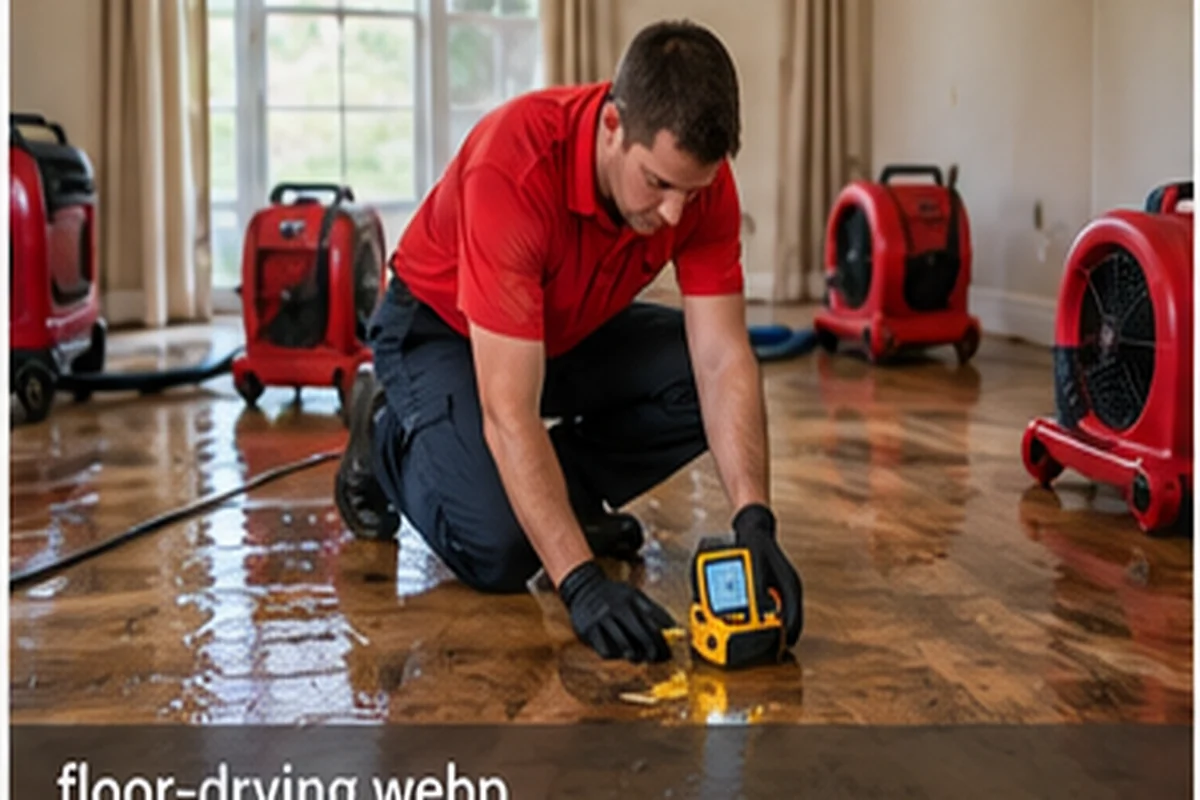 Hardwood & Tile Floor DryingMat and panel drying systems that pull water out of wood, tile and subfloor to save floors from tear-out.Learn more
 Contents Pack-Out & Document DryingInventory, careful removal and drying of furniture, papers and keepsakes from the wet area.Learn more
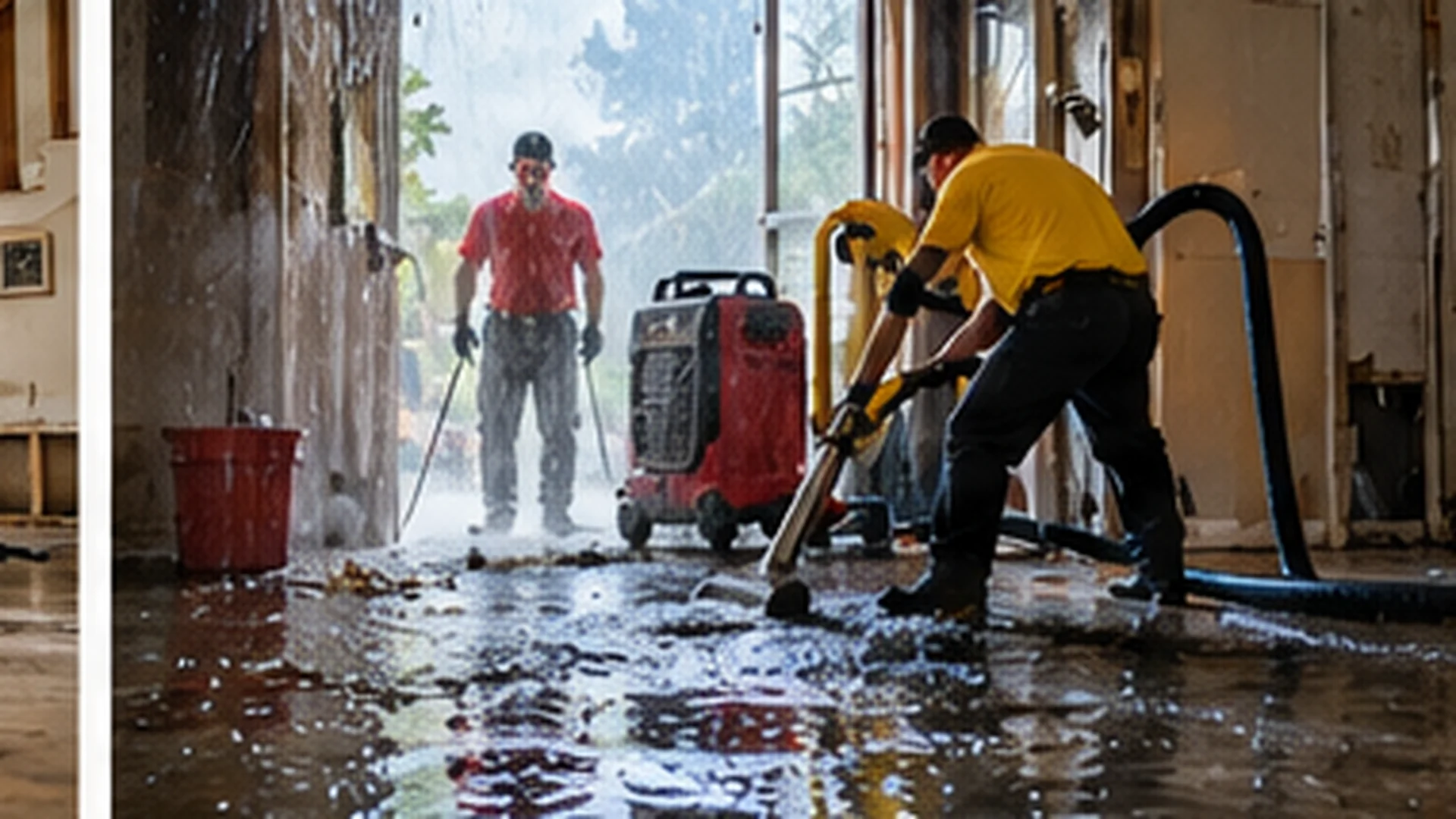 Structural Demolition & Controlled Material RemovalCleanly removing ruined drywall, insulation, flooring and trim so the structure can dry and be rebuilt.Learn more
We also handle commercial water damage for offices, shops and rental properties, and the overview of our mold removal work explains how inspection, containment and cleaning fit together.
The ground and the pipes
Sun City opened in 1960, and a large share of its houses are now sixty or sixty-five years old. They were built as single-story ranch homes on concrete slabs, with the plumbing laid in the slab or run through the attic. That layout is efficient and easy to live in. It also means a leak is rarely where you can see it.
Three things work against these houses.
The pipes are old. Original copper and galvanized lines have had decades of hard Arizona water running through them. Minerals scale the inside of galvanized pipe until the opening narrows and the wall thins. Copper can develop pinhole leaks where the water chemistry or a rubbing point has worn through it. Neither fails with a bang. They weep, slowly, inside a wall or under a floor.
The ground is hard. Much of the West Valley sits on caliche, a layer of desert soil cemented by calcium carbonate that can be as hard as poured concrete. Caliche does not let water drain straight down. When a line under or beside a slab leaks, the water tends to travel sideways along the hard layer and find the easiest way up, which is often a floor joint, a wall base or a doorway on the far side of the house. A slab leak can surface in a room nowhere near the pipe that caused it.
Water heaters work hard. Hard water scales the bottom of a tank, the tank corrodes from the inside, and the failure usually shows up as water across a garage or utility closet floor. Many Sun City water heaters sit in garages with stored boxes on the floor, so a water heater flood can ruin belongings as well as flooring.
None of this means your house is in trouble. It means that if something does go wrong, the cause is probably hidden, and a proper assessment matters more than a quick wipe-down.
The calendar
A big part of the Sun City population lives here from roughly November to April and goes north for the summer. Some leave the house for a week, some for six months. A running toilet valve, a weeping supply line or a failing water heater does not care that nobody is home, and nobody is there to hear it or smell it.
We see two versions of this. In one, a neighbor or home watch service opens the door and finds a damp smell and a stained ceiling. In the other, the owner returns in the fall to find swollen cabinets and mold across a wall. Both are manageable if the response is organized. Our vacant and seasonal home service is built around that situation: we can coordinate with a key holder, document the condition room by room with photographs and moisture readings, and give an owner who is a thousand miles away a clear picture of what is wet, what is not and what comes next.
If you are about to leave for the summer, a few minutes spent on a checklist is worth it. Our seasonal home checklist covers shutoffs, water heater checks and who should have access while you are away.
The cold months
Arizona winters are mild, which is exactly why a freeze catches people out. A few nights a year drop to freezing or just under in the West Valley. Many Sun City homes have supply lines running through shallow attics, along exterior walls or through unheated garages with little or no insulation, because nobody planned for a hard freeze.
When a line freezes, it often does not leak until the temperature rises. The ice thaws, the split opens, and water runs into an attic, down a wall or across a floor, usually while the house is empty or everyone is asleep. Our frozen pipe restoration work deals with that second stage: finding the extent of the water, drying wet insulation and ceilings and recording the damage for your insurer. A burst pipe from any cause starts the same way.
Winter is also when snowbirds are here and houses are occupied, so water damage that hits in January tends to affect people who live in the home. We try to make the disruption as small as possible: contained work areas, clear explanations and no surprises about what is being removed.
The air
People assume a dry climate means no mold. Outside, that is mostly true. Inside a sealed, air-conditioned house, a leak creates its own small humid climate. Wet drywall, damp insulation or a soaked carpet pad can start growing mold in as little as a day or two, and the growth is often inside a wall or under flooring where nobody looks.
The sequence matters. First, find out whether there is mold and how far it goes, which is what mold inspection and assessment is for. Then contain the area, filter the air and remove the affected material, which is mold remediation. Then clean and treat what stays, including the smell, with anti-microbial and odor sanitizing. We do not recommend spraying a wall and hoping. If the moisture is still there, the mold comes back.
The record
Most Sun City homeowners deal with a homeowner's insurer, and many are on fixed incomes where a surprise bill is a real problem. Insurers pay on documentation. They want to see where the water came from, when it was found, what was wet, what was dried and what had to be removed.
We keep that record as we work: dated photographs, moisture readings at the start and during drying, equipment logs, a written scope of work and an itemized list of materials removed. Our moisture mapping service produces the readings and thermal images that adjusters ask about, and contents pack-out includes a photographed inventory of belongings. We cannot promise what an insurer will approve, and we do not pretend to. We can make sure the facts are complete and organized when your claim is reviewed.
Every job in Sun City, AZ follows the same five steps, so you always know what happens next and what you will be handed at the end.
Step 1 of 5
Where the water is, when you found it, whether it is still running, and whether the house is lived in or empty.
Step 2 of 5
We locate the source, trace the water and take readings. If the water is still running, we tell you how to shut it off safely.
Step 3 of 5
You get a clear scope: what gets extracted, what gets dried in place, what has to come out and what is a separate plumbing or rebuild cost.
Step 4 of 5
Equipment runs on a schedule we explain to you. We take readings until the materials are back in a normal range, then remove the equipment.
Step 5 of 5
Photographs, readings and the work log, in a form you can send to your insurer or contractor.
Sun City is home base. We also take calls in fifteen nearby cities, and each has its own page because the housing and the ground are different from place to place. Surprise and Sun City West have large retirement communities with the same seasonal-home issues as Sun City. Glendale has older plaster and brick. Scottsdale and Paradise Valley have large custom homes with finishes worth saving. Mesa, Tempe and Chandler have clay soil that reacts badly to water under a slab.
No. Water damage gets worse by the hour, and most policies expect you to take reasonable steps to limit it. Call us, start the drying, and notify your insurer in parallel. We document the loss so the claim has what it needs.
No. Coverage is decided by your policy and your insurer. We can tell you what we found, how it happened and what the work involves, and we can supply the documentation.
No. Fans alone rarely dry a structure. We use air movers and dehumidifiers matched to the amount of water, take readings before and during the job, and keep drying until the materials are back to a normal range.
It depends on how much water, how long it sat, what it touched and what the materials are. We do not quote flat prices over the phone. Our pricing page explains what goes into a quote and what to ask before you agree.
Often you do not. Many jobs can be done with part of the house in use. We will tell you plainly when a room, or the whole house, needs to be empty, such as after sewage or heavy mold.
We are available Monday to Friday, 8 AM to 7 PM. Call the number on this page and describe what is happening, and we will tell you what we can do and when.
Tell us what happened and where the water is. We will tell you what we need to see and when we can be there.